
New Fence Installation Built by a Repair Crew
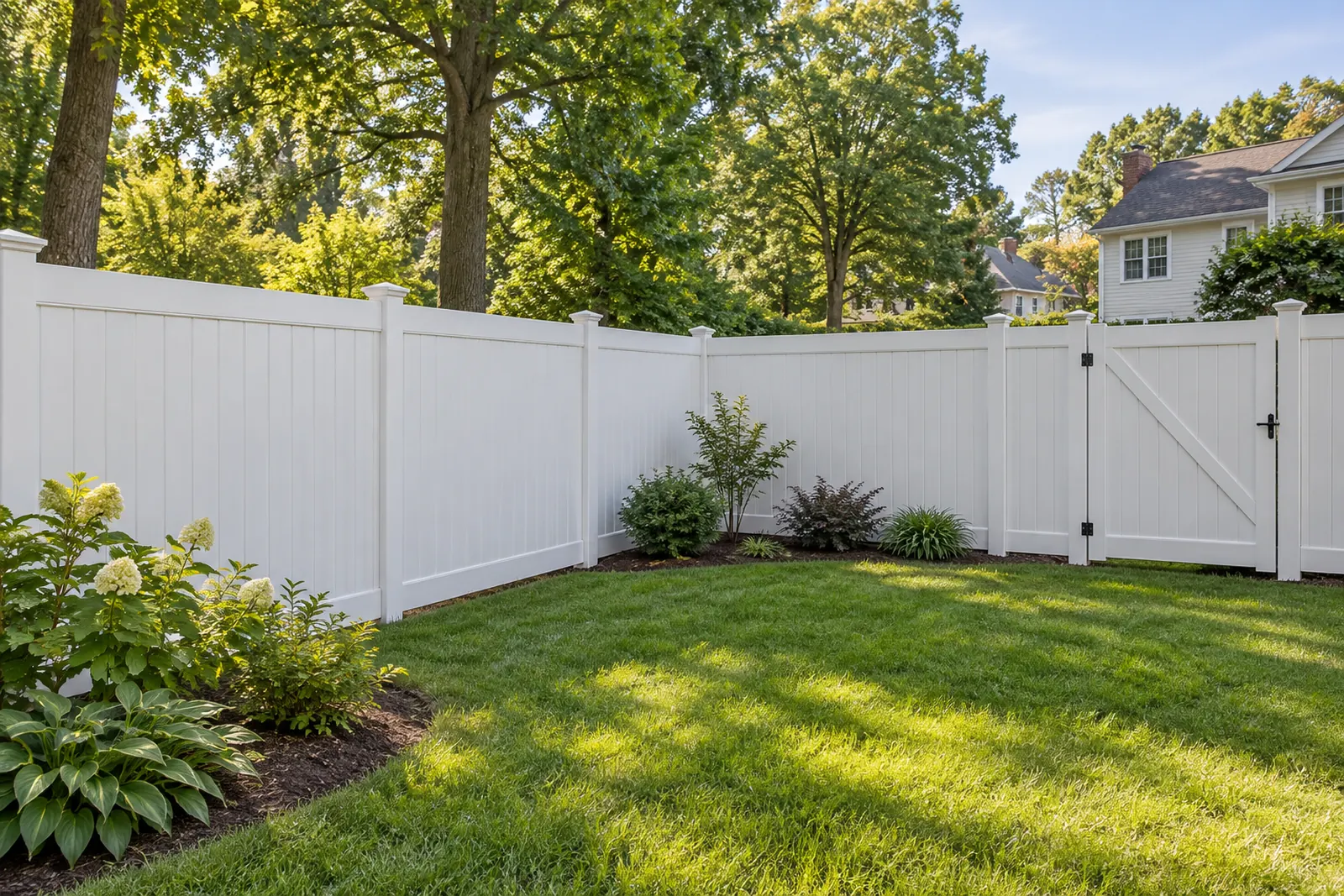
We spend most of our days fixing fences that were installed wrong: shallow posts, sagging gates, panels stepped badly down a slope. That is exactly why our new fences are built the way they are. Wood privacy, picket, white vinyl, black aluminum, and galvanized chain link, each set on a gravel base with a crowned concrete collar, below the frost line.
- Crofton, Gambrills based
- Serving a 20-mile radius
- Wood · Vinyl · Aluminum · Chain link
Fence Styles We Install
Every material has a job it does well. Here is what we build and where each one fits:
- Wood privacy fences. Cedar and pressure-treated pine are the two common choices. Cedar is lighter, its natural oils slow decay, and its open grain soaks up penetrating stain evenly. Pressure-treated pine carries a preservative rated for ground contact, and it needs time to dry before it takes stain. Most privacy fences we build are six feet tall with boards tight together for full screening.
- Shadowbox. Boards alternate on each side of the rails, so the fence looks finished from both yards and lets some air move through. It also handles wind a little better than a solid wall of boards.
- Picket. Shorter, open fences for front yards and gardens. Good for marking a boundary and keeping small dogs in without blocking the view of the house.
- White vinyl privacy. No staining, no rot, and it cleans with a hose. Needs precise post setting because every out-of-plumb post shows.
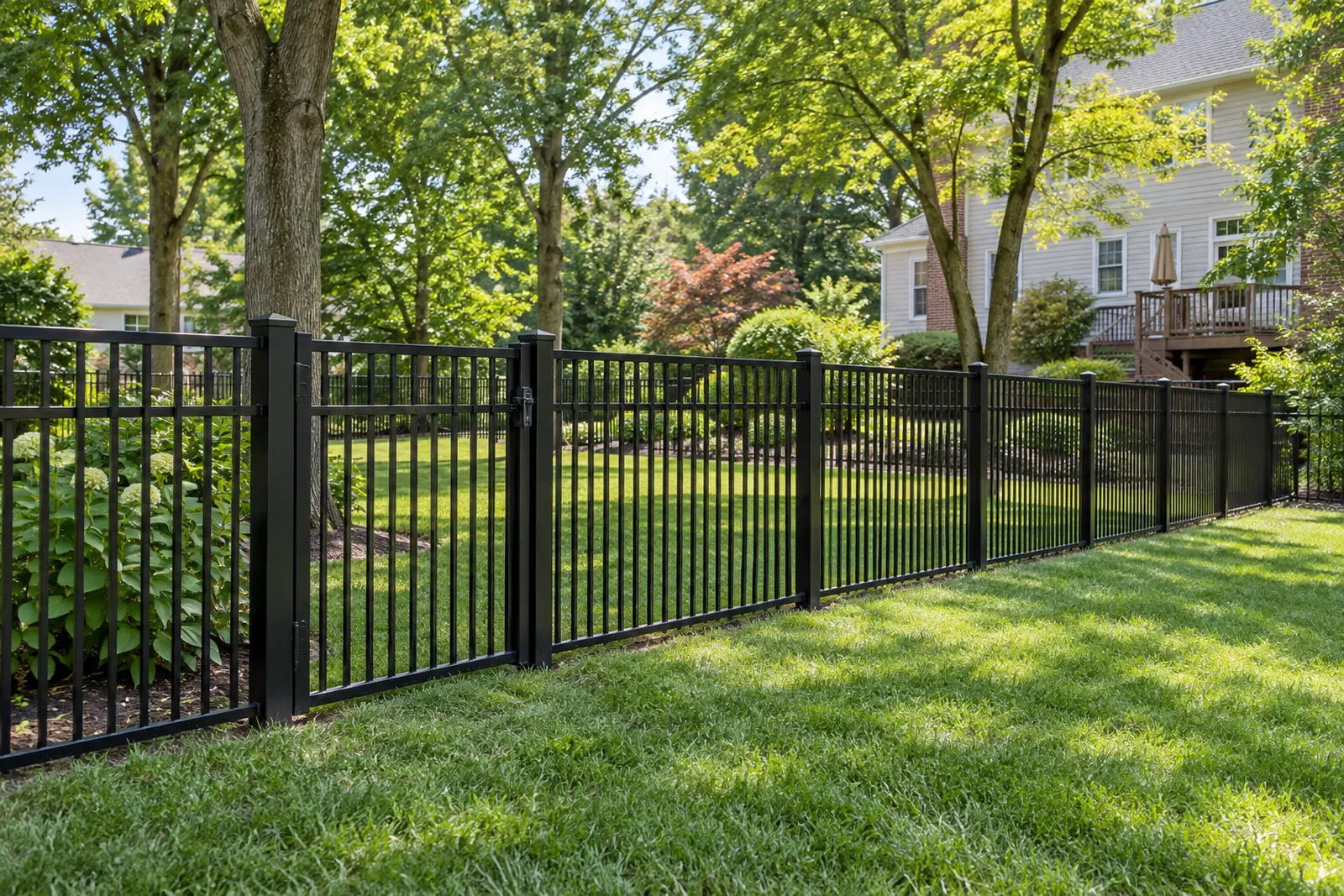
- Black aluminum ornamental. Open and clean-lined, and aluminum does not rust the way plain steel does, so it holds its finish in wet ground. Many styles have picket spacing that suits pool barriers.
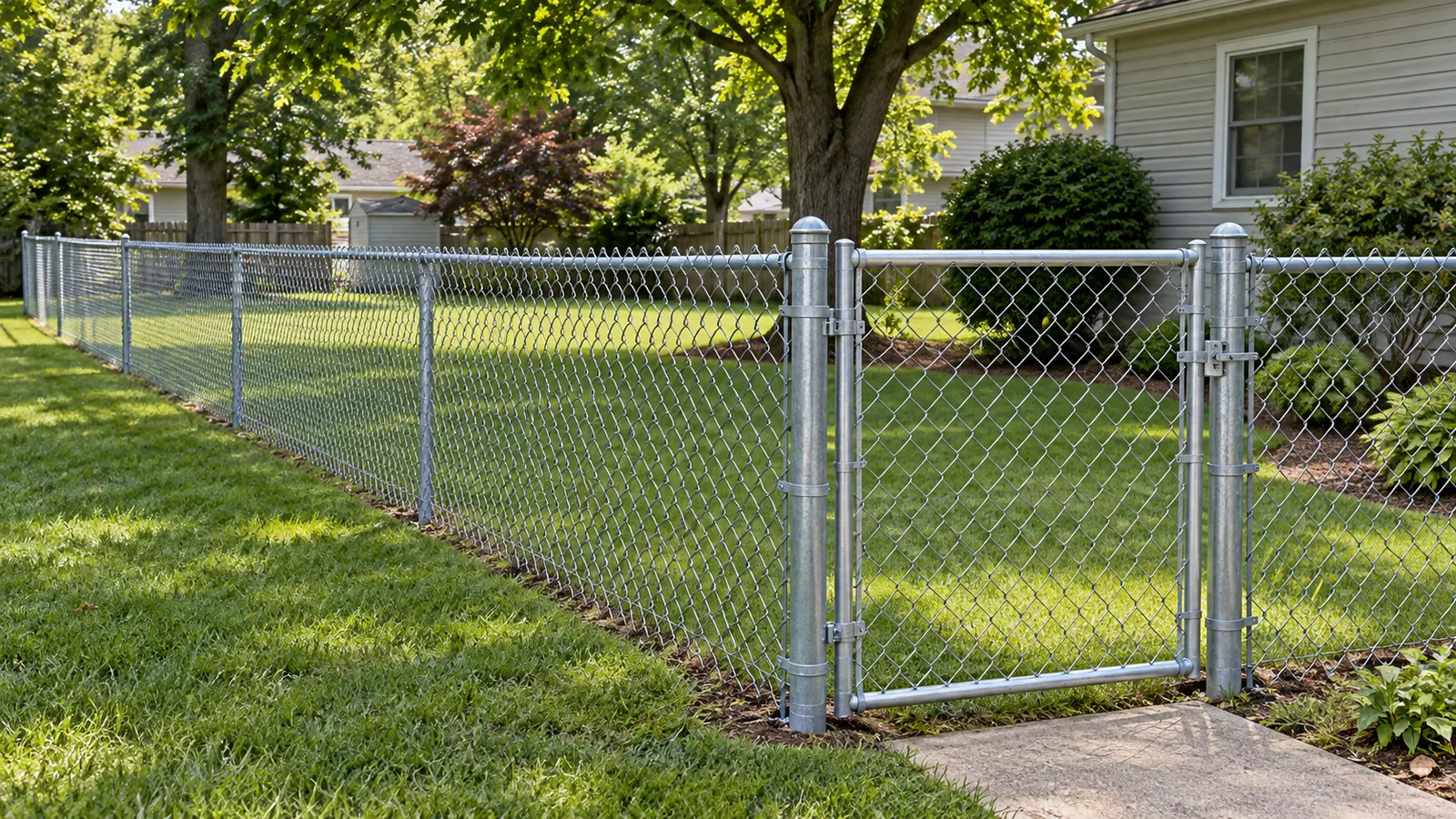
- Galvanized chain link. The workhorse for dog runs, long perimeters, and big back lots. The zinc coating slows rust, the woven fabric stays see-through, and there is nothing to stain.
Layout, Post Spacing, and Depth Below the Frost Line
Almost every fence failure we repair starts at the posts. So installation starts with the layout and the holes.
We string the line from corner to corner, mark the gate openings first, and then space line posts between them. Wood fences typically run posts about eight feet apart or a bit less, which keeps rails from sagging and gives the boards solid backing. Vinyl and aluminum come in set panel widths, so post spacing follows the panel. Chain link posts are spaced to keep the fabric tight and the top rail stiff. Any odd short panel gets tucked at a corner or beside a gate.
Depth matters as much as spacing. Maryland winters freeze the top layer of soil, and a post that does not reach below that frost zone can get pushed up a little every winter. Over a few years the fence starts to lean and gates stop latching. We set posts deep enough to get below the frost line and down into firmer soil, and deeper still for corner posts and gate posts, which carry the most load. Wet, clay-heavy soil makes the footing even more important.
Not sure if it needs a repair or a replacement? We’ll look at it and tell you straight.
Call (240) 712-4826Concrete Footings, Gravel, and Drainage
How a post is set decides how long it lasts. A wood post that sits in a puddle at the bottom of its hole will rot from the base up, and you will not see it until the fence starts to lean.
Our method is simple. We put a layer of gravel at the bottom of each hole so water can drain away from the end of the post. The post goes in on top of the gravel, gets plumbed in two directions, and is braced. Then we pour concrete around it. At the top, we crown the concrete so it slopes away from the post. A flat or cupped footing collects rain right where wood meets concrete, which is the most common rot point we see on repair calls.
For vinyl and aluminum, the posts themselves will not rot, but footings still matter. A post that heaves or settles throws the panels out of line, and on vinyl that can crack rails or pop panels loose.
When The Fence Repair Guys of Crofton gets called to fix a leaning fence that is only a few years old, the cause is almost always a shallow, flat-topped, or gravel-less footing. We build new fences to avoid making that call necessary.
Slopes and Grade Changes: Racking vs Stepping
Very few yards around here are flat. A fence has to follow that ground without leaving big gaps underneath or looking crooked.
There are two ways to handle it:
- Racking. The panel follows the slope, so the rails run parallel to the ground and the boards or pickets stay vertical. This keeps the gap at the bottom even all the way down the hill. It works well on steady, gentle slopes and is good for keeping pets in. Many aluminum styles can rack within a certain amount of slope.
- Stepping. Each panel stays level and steps down at every post, like stairs. This is how most vinyl privacy panels are installed on a grade. It looks clean on steeper slopes but leaves triangle-shaped gaps under the low end of each panel, which we can close with trimmed boards or by adjusting the grade.
Chain link follows almost any grade because the fabric flexes. We look at the slope, your material choice, and whether you need to keep a dog from slipping under, and then pick the method that keeps the fence looking straight and secure.
Gates and Pool Barrier Basics
Gates take more abuse than any other part of a fence. They swing, slam, and get leaned on, and a sagging gate is one of our most common repair calls. On new installs, we place gates where you actually walk: off the patio, by the trash cans, at the side yard leading to the driveway. Gate posts get deeper and heavier footings than line posts. Wood gates get a frame with a diagonal brace running from the bottom hinge corner up to the top latch corner, so the brace pushes the latch side up instead of letting it drop, plus heavy strap hinges screwed into solid wood.
If the fence surrounds a pool, gates matter even more. Pool barrier rules generally call for gates that are self-closing and self-latching, with the latch placed high enough that small children cannot reach it, and they set limits on fence height and on gaps between pickets and under the bottom rail. The exact requirements are set by the county and sometimes by your HOA, so we confirm permit and HOA requirements for your address before work starts. Black aluminum ornamental fencing is a popular pool choice because many styles have picket spacing that suits barrier rules while keeping the pool area open and visible. We have installed black aluminum in Bowie and nearby towns, and The Fence Repair Guys of Crofton handles repairs in that area too.
Picking a Material by What You Need
The right fence is the one that solves your actual problem. Start with your goal:
- Privacy. Six-foot wood privacy in cedar or pressure-treated pine, or white vinyl privacy. Shadowbox if you want privacy plus a good-looking side for the neighbors.
- Pets. For dogs, think about height, jumping, and digging. Chain link suits dog runs because a bottom tension wire keeps the fabric tight to the ground and there are no boards to chew. Solid privacy keeps barking down because the dog cannot see every passerby. Keep the bottom gap tight on any style.
- Kids. Sturdy latches mounted high, no easy footholds for climbing, and gaps too narrow to squeeze through.
- Pool. Black aluminum or another code-friendly style with self-closing, self-latching gates. Confirm county rules first.
- Curb appeal. Black aluminum or a classic picket in the front yard. Stained cedar privacy in back.
- Low maintenance. Vinyl and aluminum need little beyond a wash. Chain link is close behind. Wood needs a stain every few years.
If you go with wood, plan to stain it once it has dried out. The Fence Repair Guys of Crofton can handle that when the time comes so the new fence stays protected from the start.
The rest of what we do
Fence Repair
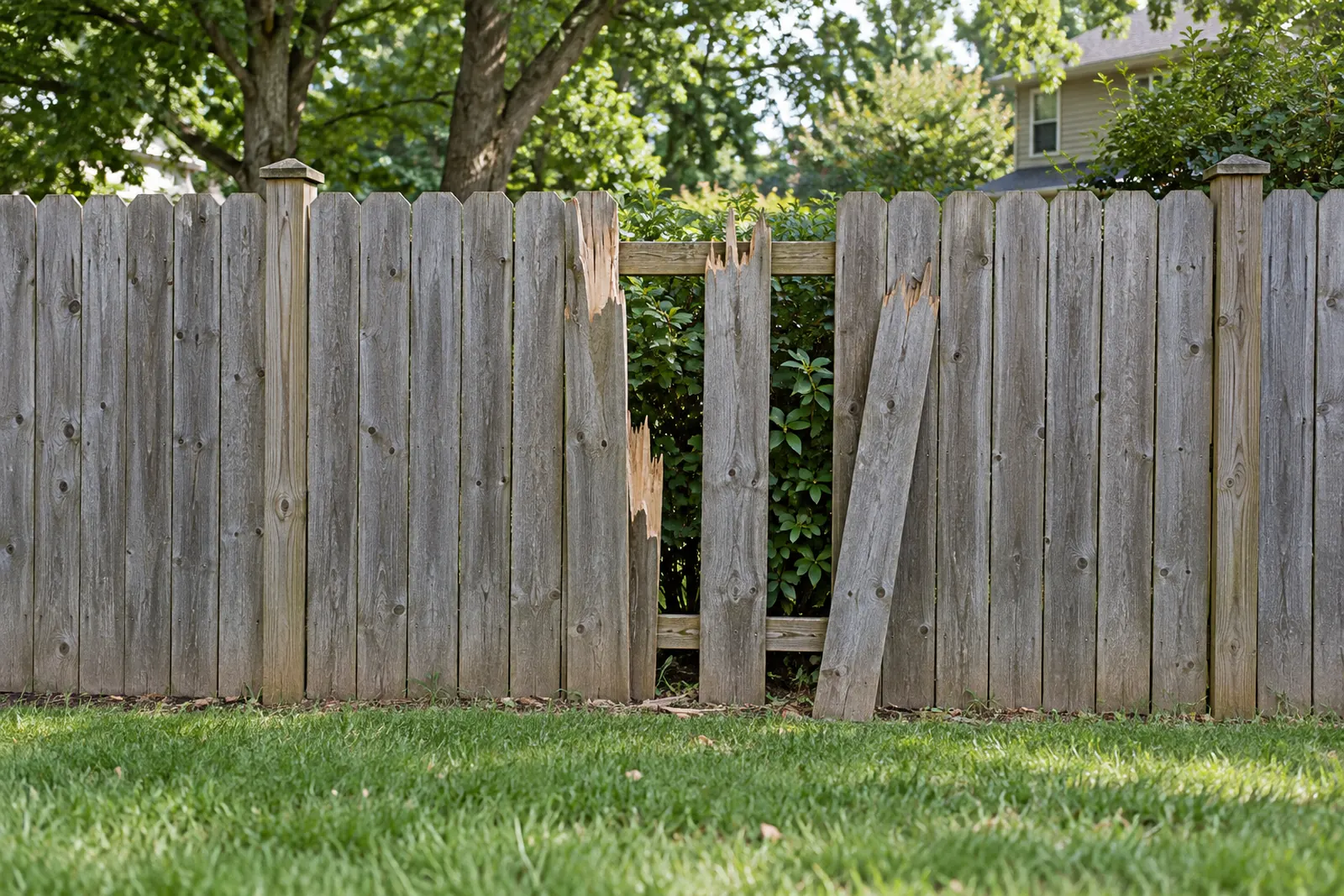
Rotted posts, leaning runs, broken pickets and rails, popped vinyl panels, sagging chain link. This is our main trade, on every fence material.
Fence Repair details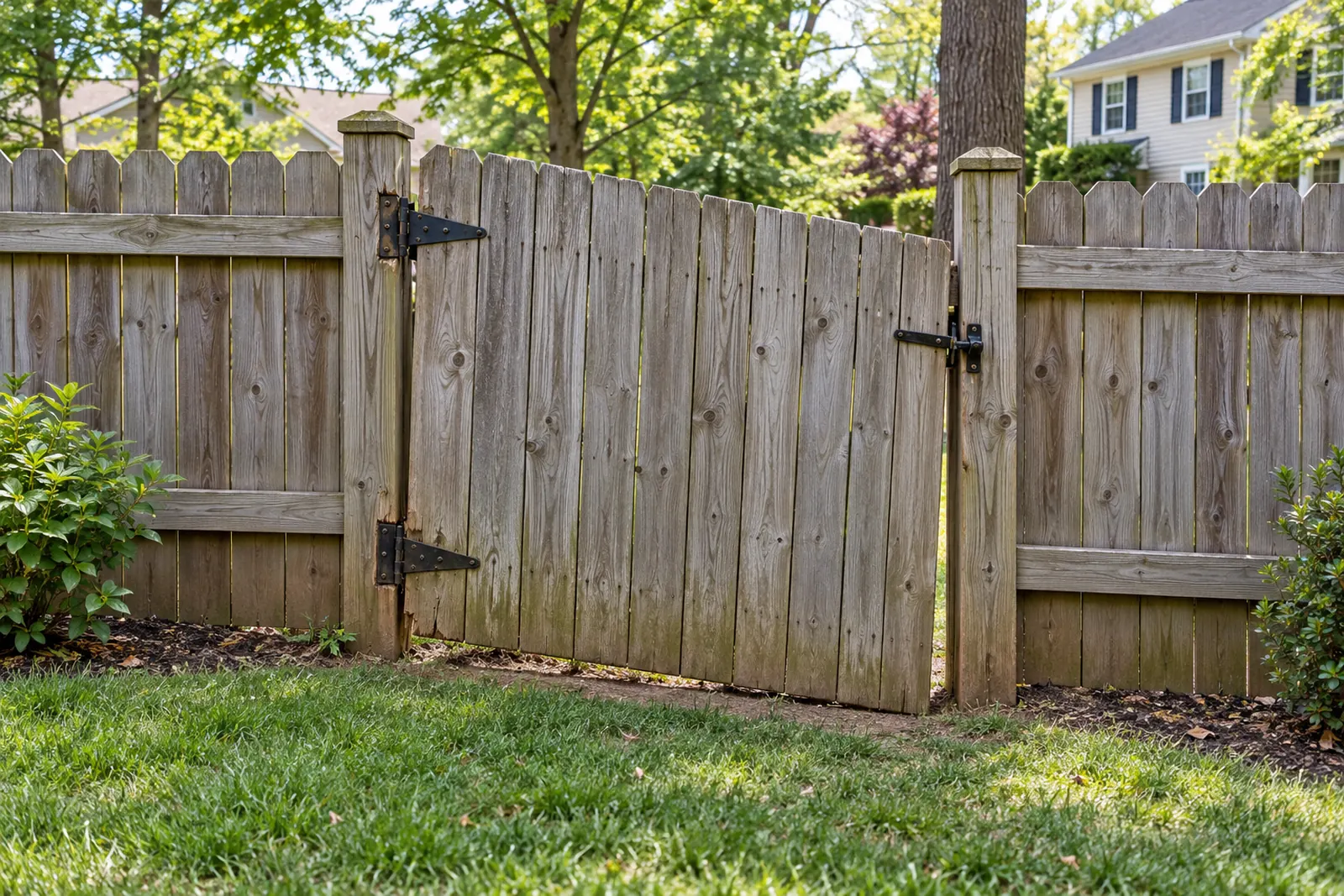
Gate Repair
Dragging, sagging, or won’t-latch gates rebuilt square, re-hung on the right hardware, and set to swing and close cleanly.
Gate Repair details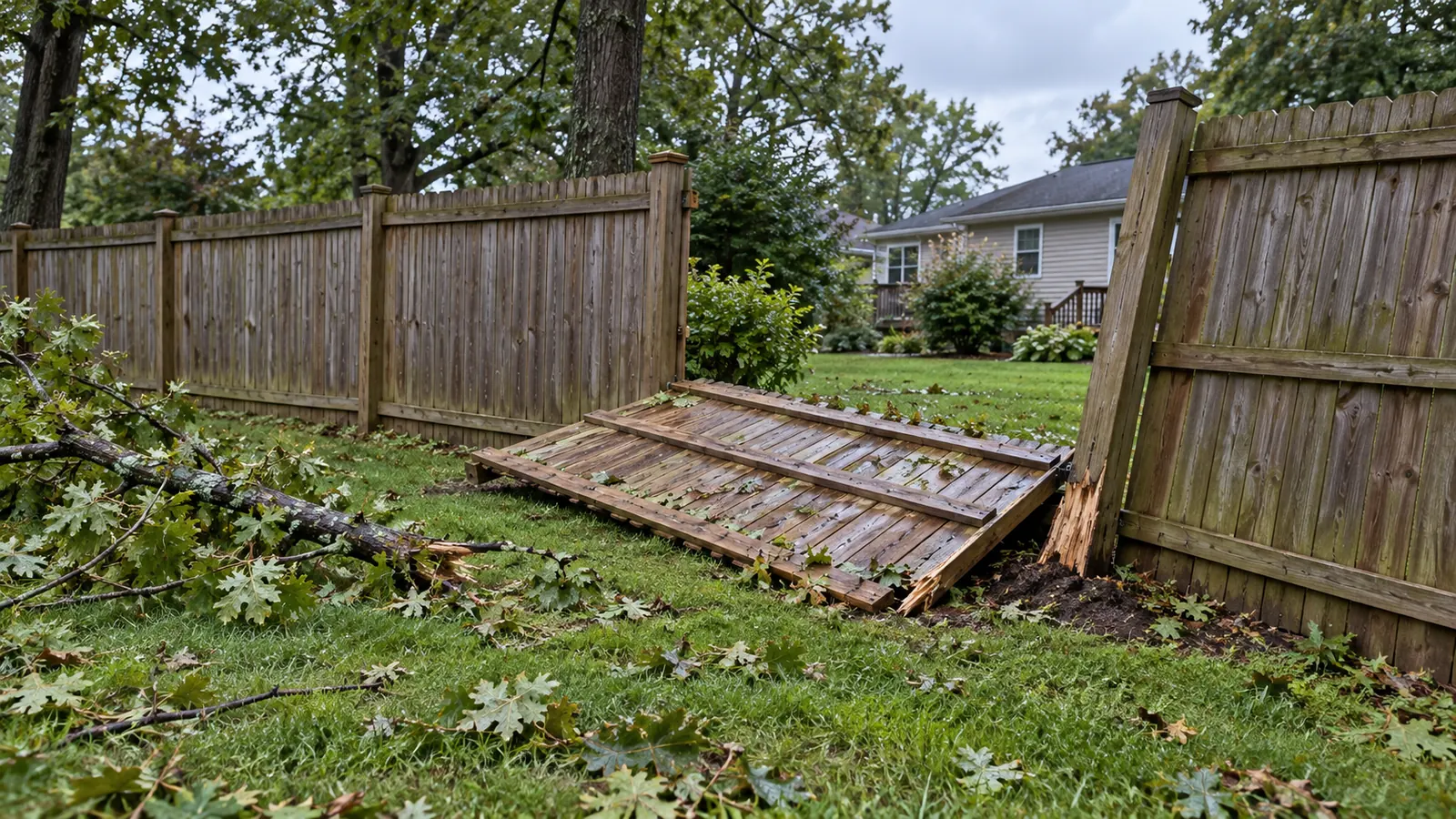
Storm Damage Repair
Wind and falling limbs flatten sections fast. We secure the yard, document the damage, and rebuild the run the right way.
Storm Damage Repair details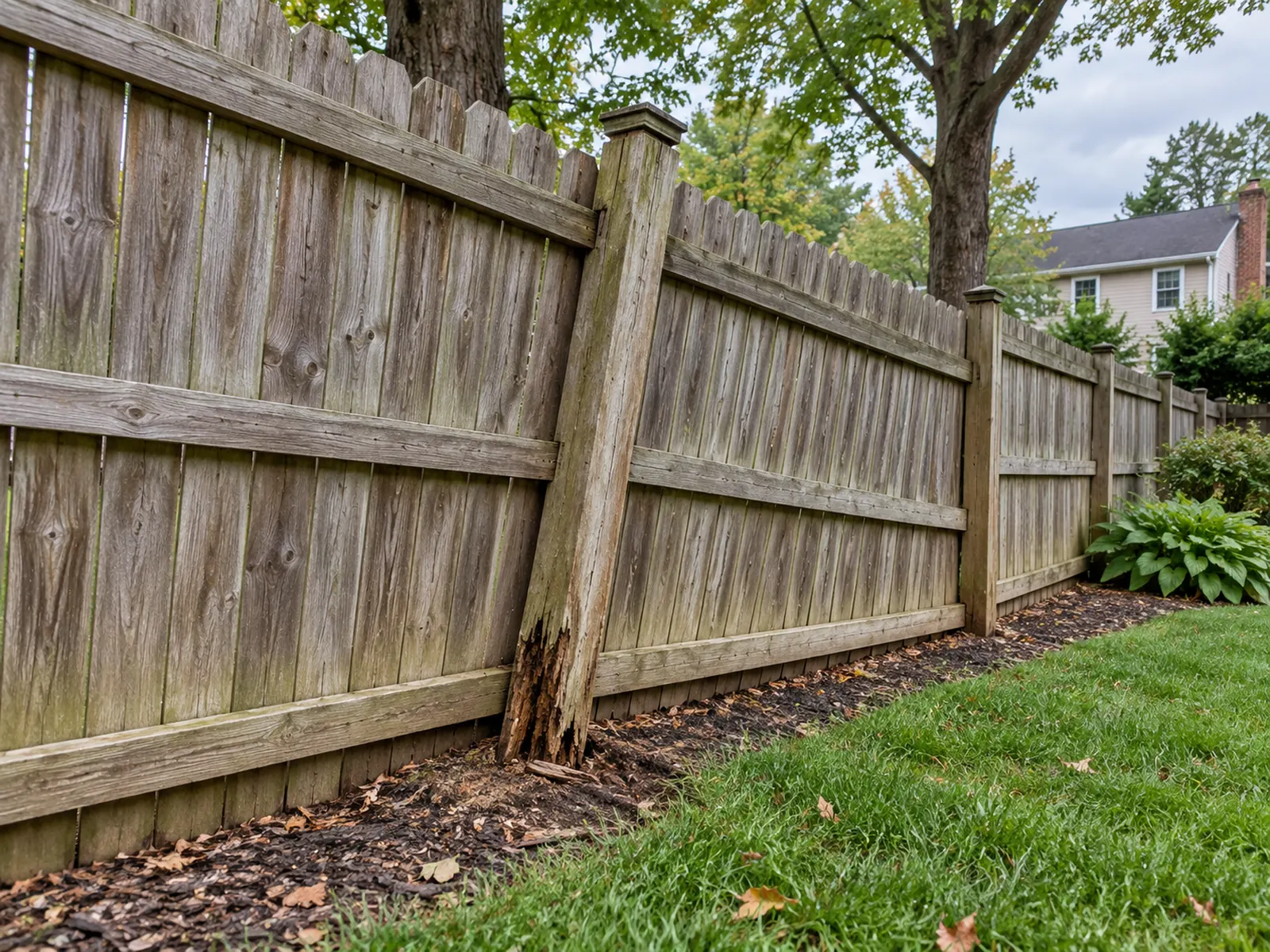
Fence Replacement
When a fence is past saving, we tear it out, haul it off, and set a new one on the same line, or a better one.
Fence Replacement details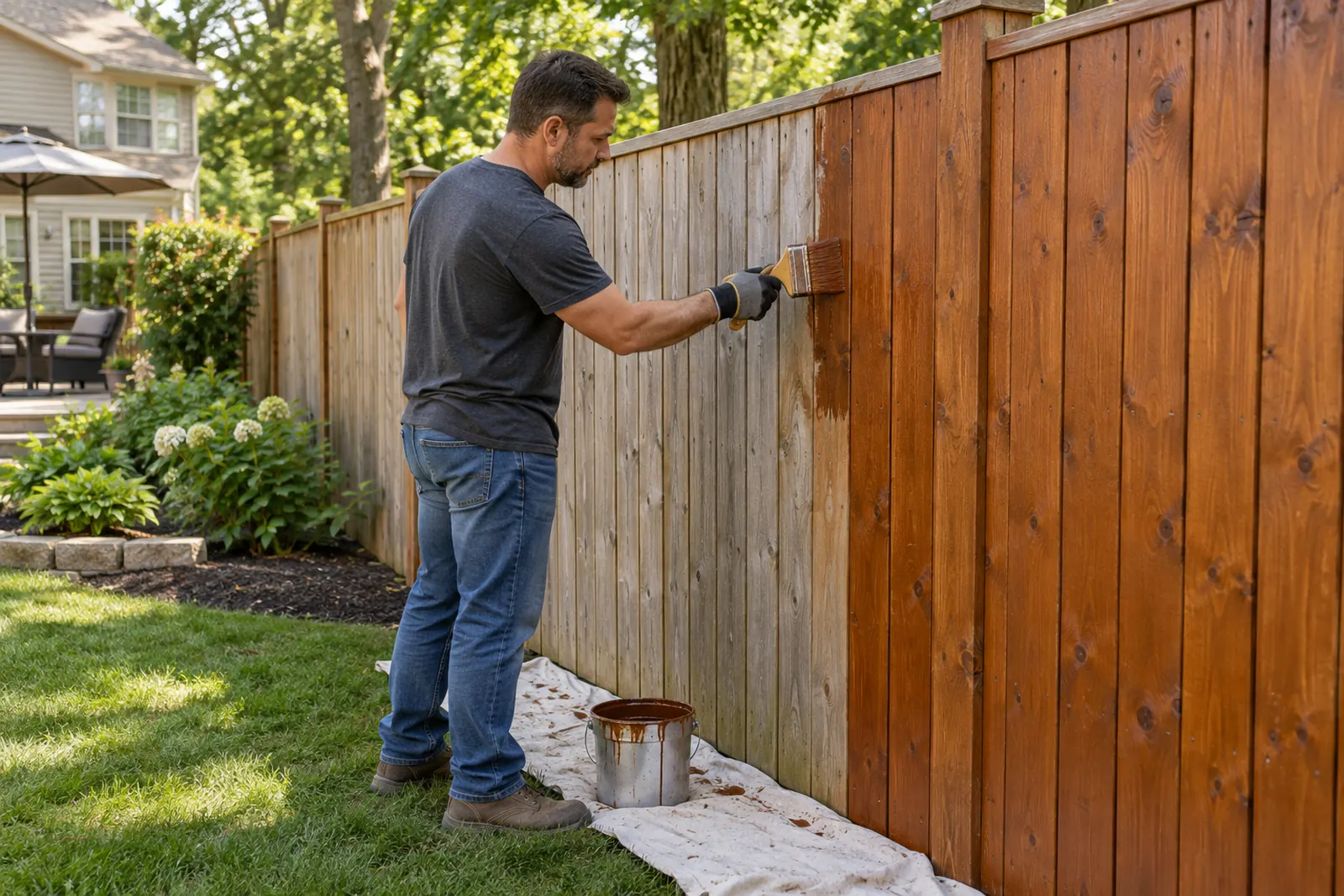
Fence Staining
Cleaning, brightening, and penetrating stain that stops graying and mildew and blends repaired boards into the old fence.
Fence Staining detailsFence Installation questions, answered
How deep do you set fence posts in Maryland?
We set fence posts in Maryland deep enough to get below the frost line and into firm soil, and deeper still for corner and gate posts, which carry the most load. Depth matters because Maryland ground freezes and thaws all winter. A post that stops inside the frozen layer gets lifted a little each cycle, and after a few winters the fence leans and gates stop latching. Taller fences, open windy lots, and wet clay soil all call for more depth. Each hole also gets gravel at the bottom so water drains away from the end of the post, and the concrete is crowned at the top so rain runs off instead of pooling where wood meets concrete.
What is the best fence for privacy in Crofton?
For privacy in Crofton, the two fences that screen fully are a six-foot wood privacy fence and a white vinyl privacy fence. Wood, in cedar or pressure-treated pine, gives full screening when the boards are set tight, and it can be stained to match a house or deck, but it needs restaining every few years. White vinyl uses solid interlocking panels, never needs stain, and will not rot, which matters under the heavy shade in many Crofton yards. A shadowbox wood design screens most views while giving the neighbor a finished side. Check your HOA first, because many Crofton communities limit height, style, color, or material before any fence goes up.
Should I pick cedar or pressure-treated pine for a new wood fence?
Cedar and pressure-treated pine both make a solid new wood fence, and the choice comes down to stability versus ground-contact strength. Cedar is lighter, its natural oils slow decay and insects, and it tends to stay straighter as it dries, so boards cup and twist less. Pressure-treated pine is soaked with preservative, which makes it the right choice for anything buried in soil, but it is heavier, checks more as it dries, and must dry out before stain will soak in. That is why many fences use pressure-treated posts in the ground with cedar boards and rails on top. We match the combination to your yard's shade, drainage, and how much upkeep you want.
What type of fence works best for a pool?
For a pool, most homeowners choose black aluminum ornamental fencing, because it does not rust like plain steel, keeps the pool visible, and many styles have picket spacing that suits barrier rules. Whatever the material, pool barriers generally need self-closing, self-latching gates with the latch set high enough that young children cannot reach it, along with limits on fence height and on gaps under and between pickets. The county sets those rules and your HOA may add its own, so we confirm permit and HOA requirements for your address before work starts. We also place pool gates away from grills, planters, or walls a child could climb to get over the top.
Is chain link a good choice for a dog run?
Galvanized chain link is a good choice for a dog run because it does not rot, the zinc coating slows rust, and the fabric holds up to a dog jumping against it. Match the height to your dog, since jumpers need more than a standard four-foot fence. For diggers, a bottom tension wire keeps the fabric tight to grade, and a strip of wire buried along the base stops tunneling. Terminal and gate posts get heavier footings because they hold the tension of the whole run. One trade-off: a dog can see everything through chain link, so if barking at people passing by is the problem, a solid wood or vinyl privacy fence may suit you better.
How do you build a fence on a sloped yard?
On a sloped yard we build the fence one of two ways: racked, so the panels follow the slope, or stepped, so each panel stays level and drops at every post. Racking keeps the rails parallel to the ground and the boards vertical, so the bottom gap stays even, which helps keep pets from slipping under on gentle, steady slopes. Stepping is how most vinyl privacy panels go in, and it looks clean on steeper grades, but it leaves triangle gaps under the low end of each panel that we close with trimmed boards or by adjusting the grade. Chain link follows nearly any slope because the woven fabric flexes with the ground.
Do I need HOA approval or a permit for a new fence?
Many new fences in Anne Arundel and Prince George's counties need HOA approval, and some need a county permit depending on height, location, and whether the fence is a pool barrier. Most HOAs run an architectural review and want a plat drawing showing the fence line, material, height, and style before they approve. Some limit front yard fences or require the finished side to face out. We confirm permit and HOA requirements for your address before work starts, and we do not dig until approvals are in hand. You confirm your property line from your plat or survey markers, and we arrange Miss Utility marking before any post hole goes in.
Will a new wood fence need to be stained?
A new wood fence should be stained once the wood has dried, because unprotected boards gray, crack, and cup quickly in Maryland weather. Humid summers and wet winters keep bare wood swinging between soaked and dry, and that movement splits boards and pulls fasteners loose, while shady sections grow mildew. A penetrating stain soaks into the grain and slows water absorption. Timing depends on the wood. Cedar can usually be stained once it weathers a little. Pressure-treated pine often arrives wet and needs time to dry first. To check, sprinkle water on a board: if it beads, wait; if it soaks in, the wood is ready for stain.
Which side of a new wood fence should face my neighbor?
On a new wood fence, the finished side, with the boards showing and the posts and rails hidden, usually faces the neighbor or the street. Many HOAs and some local rules require that, and it is also simple courtesy, since your neighbor did not choose the fence. Facing the rails inward has a practical side too: the framing stays on your side, where you can see and reach it to tighten a rail or replace a post later. If you want both yards to see a finished face, a shadowbox design alternates boards on each side of the rails. We confirm what your HOA requires before we lay out the line.
Can a new fence be installed in the winter in Maryland?
Yes, a new fence can usually be installed in a Maryland winter, as long as the ground is not frozen hard at the surface and the concrete can cure above freezing. Most winter days in central Maryland allow digging, because the frozen layer is shallow and thaws quickly. On a hard freeze we wait, since concrete poured into frozen ground or left to freeze before it sets loses strength around the post. Winter has advantages: plants are dormant, so lines along garden beds are easier to reach, and HOA approvals are often in hand before spring. Wood installed in winter still needs to dry before staining, which usually lands in late spring.
The Fence Repair Guys of Crofton
2390 Brandermill Blvd, Gambrills, MD 21054 · (240) 712-4826. Open in Google Maps →
Fence leaning, broken, or down? Let’s get it standing straight.
Call or send a request and we’ll set up a time to look at the fence in person, figure out what actually failed, and tell you straight whether it needs a repair, a rebuild of one section, or a full replacement.
(240) 712-4826 The Fence Repair Guys of Crofton2390 Brandermill Blvd, Gambrills, MD 21054
Serving Crofton, Gambrills, and a 20-mile radius