Gate Repair in Crofton, Gambrills & Anne Arundel County
A gate is the hardest-working part of any fence. It swings every day, carries its own weight on two or three hinges, and takes every slam. When it starts dragging, sticking or refusing to latch, we find out why and fix the cause, not just the symptom.
- Crofton, Gambrills based
- Serving a 20-mile radius
- Wood · Vinyl · Aluminum · Chain link
Why Gates Sag, Drag and Stop Latching
A wood gate hangs off one side, and gravity pulls the latch corner down every hour of every day. Over a few years three things happen, usually together.
- The frame racks. The rectangle of the gate slowly turns into a parallelogram. The latch corner drops, the bottom drags, and you end up lifting the gate to close it.
- The hinges loosen. Screws pull out of wood that has swelled and shrunk through a few Maryland summers and winters. Light-duty hinges bend at the knuckle.
- The hinge post moves. This is the one people miss. The hinge post carries the whole gate as a lever. If it is rotting at grade or was set too shallow, it leans toward the opening and the gate drops with it.
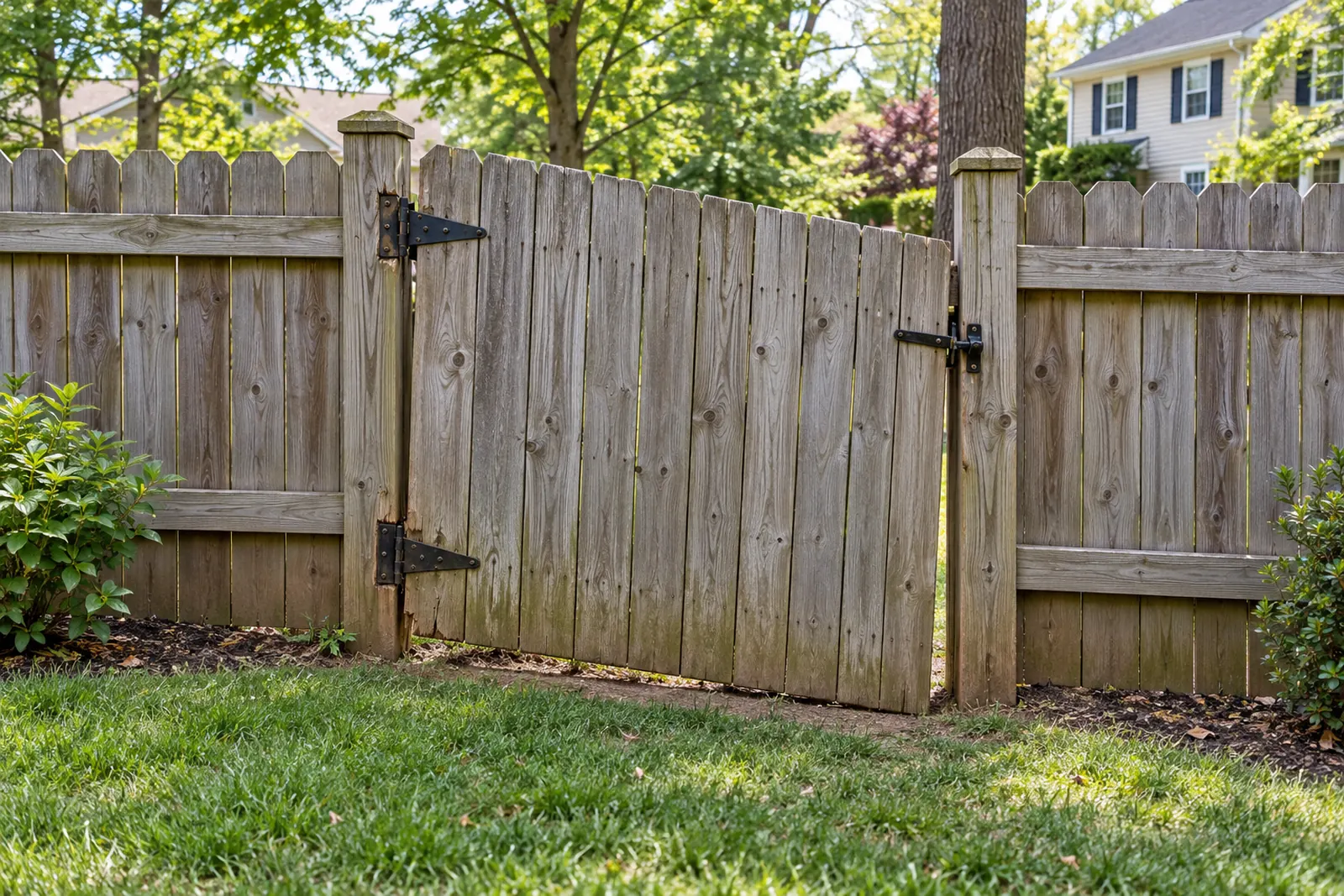
Latch problems are almost always a result of one of these three. The latch did not move. The gate did. Moving the latch hides the problem for a few months. Fixing the sag or the post removes the reason the latch stopped lining up. The gate in this photo shows all three.
Check the Hinge Post Before Anything Else
Before we adjust a single hinge, we check the hinge post. We push it, sight it for plumb, and probe the wood at the base. If the post is soft at grade or moves in the ground, no amount of work on the gate itself will hold.
Gate posts work harder than line posts. A line post just holds the fence up. A gate post holds a swinging load out at the end of a lever, plus the shock every time the gate slams shut. That is why they are often the first to fail on a fence that is otherwise fine. Wet clay soils around Crofton and Gambrills speed rot at grade and let frost work loose posts further out each winter.
When the hinge post is the problem, we replace it. That means having utilities marked through Miss Utility first, then pulling the old post and concrete, setting a new post plumb in concrete over a gravel base for drainage, and hanging the gate back on it. The latch post gets the same check, because if it leans away from the opening the gap grows and the latch will never line up.
Not sure if it needs a repair or a replacement? We’ll look at it and tell you straight.
Call (240) 712-4826Fixing the Sag: Anti-Sag Kits and Rebuilding the Frame
With solid posts, the fix moves to the gate itself.
Anti-sag cable and turnbuckle kits. A steel cable runs diagonally from the top hinge corner down to the bottom latch corner, with a turnbuckle in the middle. Tightening the turnbuckle pulls the latch corner back up and holds it there. The cable works in tension, so it must run from high on the hinge side to low on the latch side. It suits a sound frame that has drifted a little, because the cable only corrects the shape; it cannot hold together joints that have failed.
Rebuilding the frame with a diagonal brace. When the frame is loose at the joints, the rails are rotted, or the gate was built with no brace at all, we rebuild it. A wood brace works in compression, so it runs the opposite way from a cable: from the bottom hinge corner up to the top latch corner. That way the weight of the latch side pushes down along the brace into the hinge side, where the hinges and post can carry it. A backwards brace does almost nothing, and we see that mistake often. We square the frame, add the brace, refasten with exterior screws, and rehang.
Hinges, Latches and Self-Closing Pool Gates
Many sagging gates were hung on hinges too light for them from day one. We replace undersized hardware with heavier strap or T-hinges, add a third hinge on tall gates, and use through-bolts or long structural screws that bite into solid wood instead of the outer half inch of a weathered post.
Latches get reset once the gate is square and hanging true. We make sure the gate closes into the latch without being lifted or shoved, and that a gravity latch drops on its own.
Pool gates are a special case. A pool gate should swing closed by itself and latch by itself every time, with no help from anyone. That takes a self-closing hinge with enough tension to pull the gate shut from any open position, and a self-latching latch mounted where small children cannot reach it. We adjust or replace the hinges and latch, then test the swing from several open positions to confirm it closes and catches on its own each time, and we confirm requirements for your property before changing hardware on a pool enclosure.
Double Drive Gates, Vinyl Gates and Aluminum Gates
Double drive gates. On wide double gates, each leaf hangs from its own post, and both must meet in the middle at the same height. If one post leans or one leaf sags, the two halves stop lining up and the center latch fights you. A drop rod (cane bolt) on one leaf drops into the ground or a sleeve to hold it in place while the other leaf latches to it. We level the leaves, set or clear the drop rod receiver, and align the center latch so both halves close cleanly.
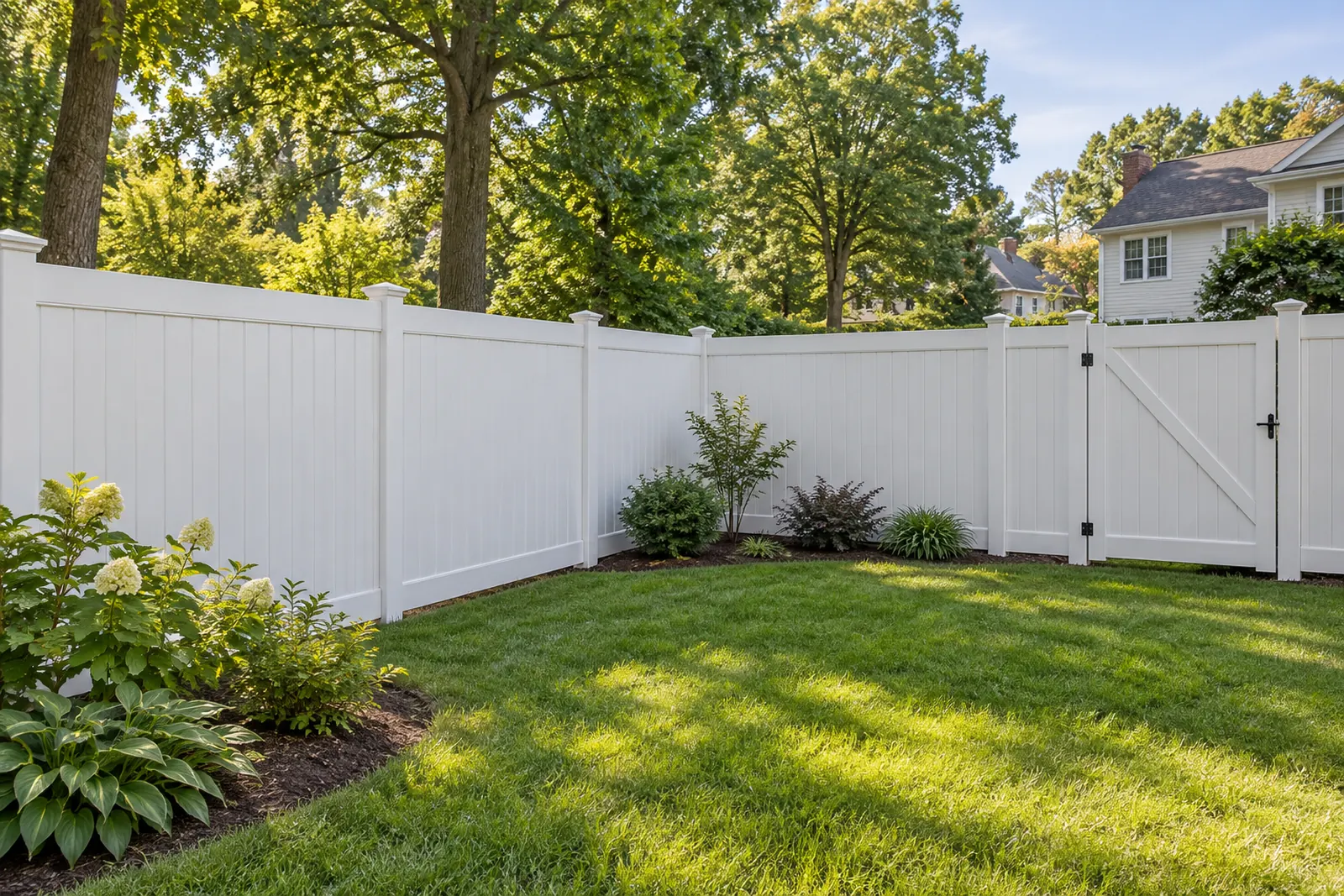
Vinyl gates. Vinyl gates are built around an aluminum frame inside the vinyl. When they sag, the issue is usually loose hinge screws in the vinyl post, a hinge post that moved, or a frame that has shifted. Most vinyl gate hinges and latches are adjustable, and we tune them so the gate swings and latches square. Where the post flexes, a metal insert inside the post adds stiffness.
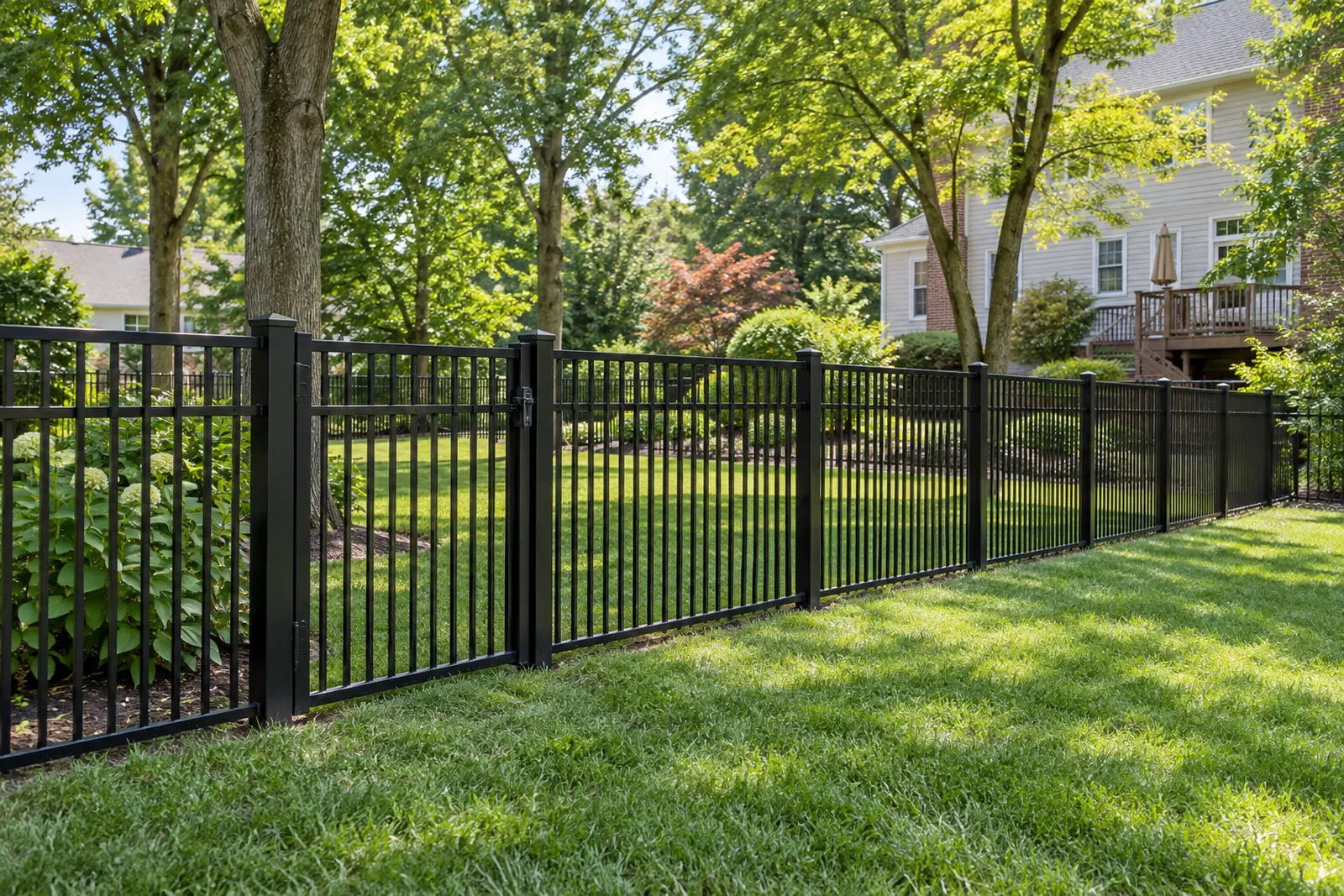
Aluminum gates. Black aluminum ornamental gates are light, but their hinges wear and the latch side can drop if a bracket loosens. We adjust or replace hinges, tighten or replace brackets, and re-level the posts.
Gate Repair as Part of a Bigger Fence Job
A gate rarely fails in isolation. If the gate posts have rotted at grade, the line posts set the same year are often not far behind. If the gate has racked, the fence on either side may be leaning too. That is why we look at the whole fence line on every gate call, not just the opening you called about.
If the rest of the fence needs work, we handle that on the same visit when we can. Rotted posts, broken pickets, loose rails and leaning sections are the core of what The Fence Repair Guys of Crofton do every day, and fixing them along with the gate means one round of utility marking and one visit instead of two. For a gate a storm took out, see how The Fence Repair Guys of Crofton approach storm damage.
Once a gate is rebuilt or rehung, a coat of stain helps it last. Bare wood takes on water and moves with the seasons, which loosens screws and racks the frame. Sealing the gate slows that cycle down. Check the full list of towns The Fence Repair Guys of Crofton cover.
The rest of what we do
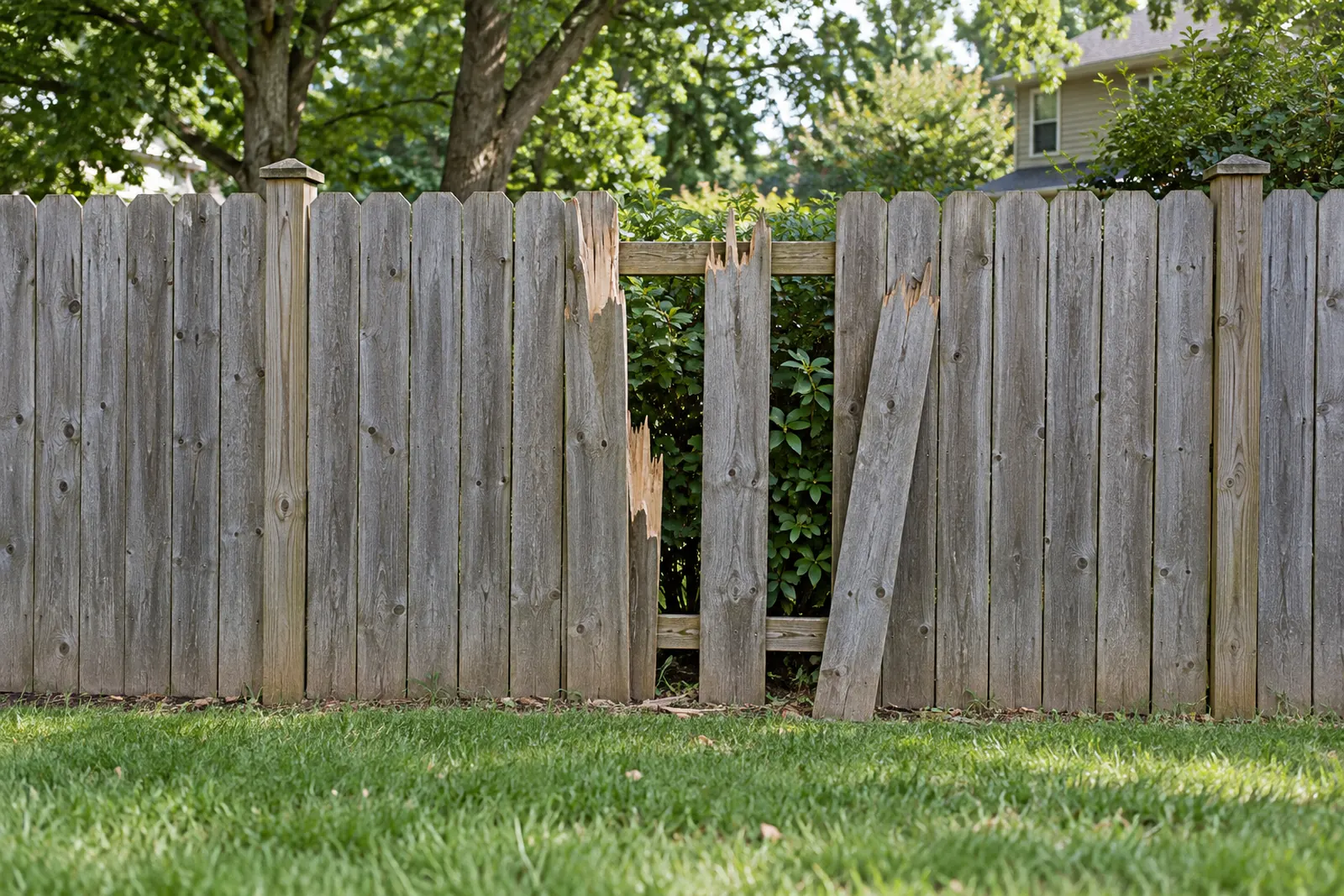
Fence Repair
Rotted posts, leaning runs, broken pickets and rails, popped vinyl panels, sagging chain link. This is our main trade, on every fence material.
Fence Repair details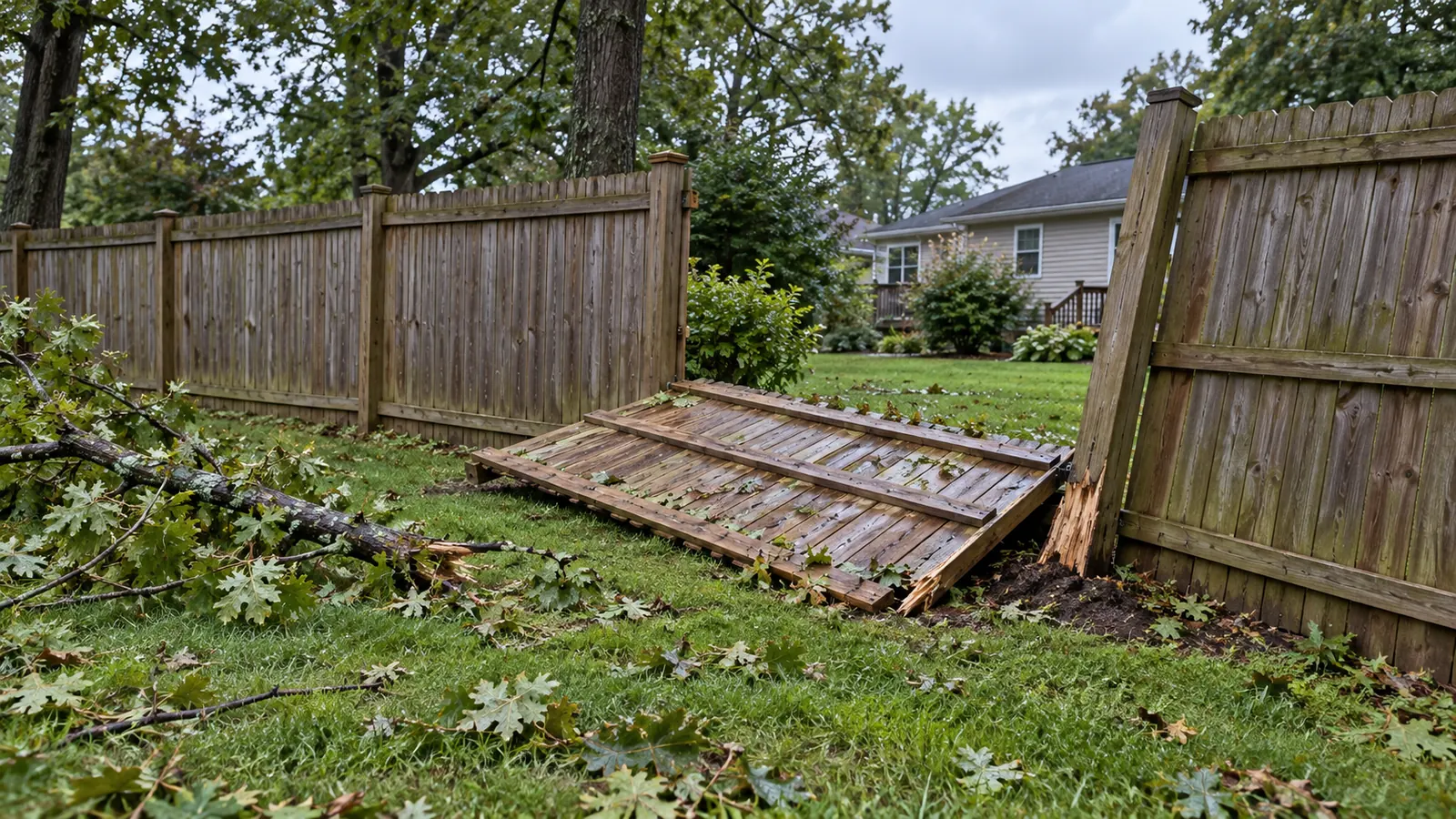
Storm Damage Repair
Wind and falling limbs flatten sections fast. We secure the yard, document the damage, and rebuild the run the right way.
Storm Damage Repair details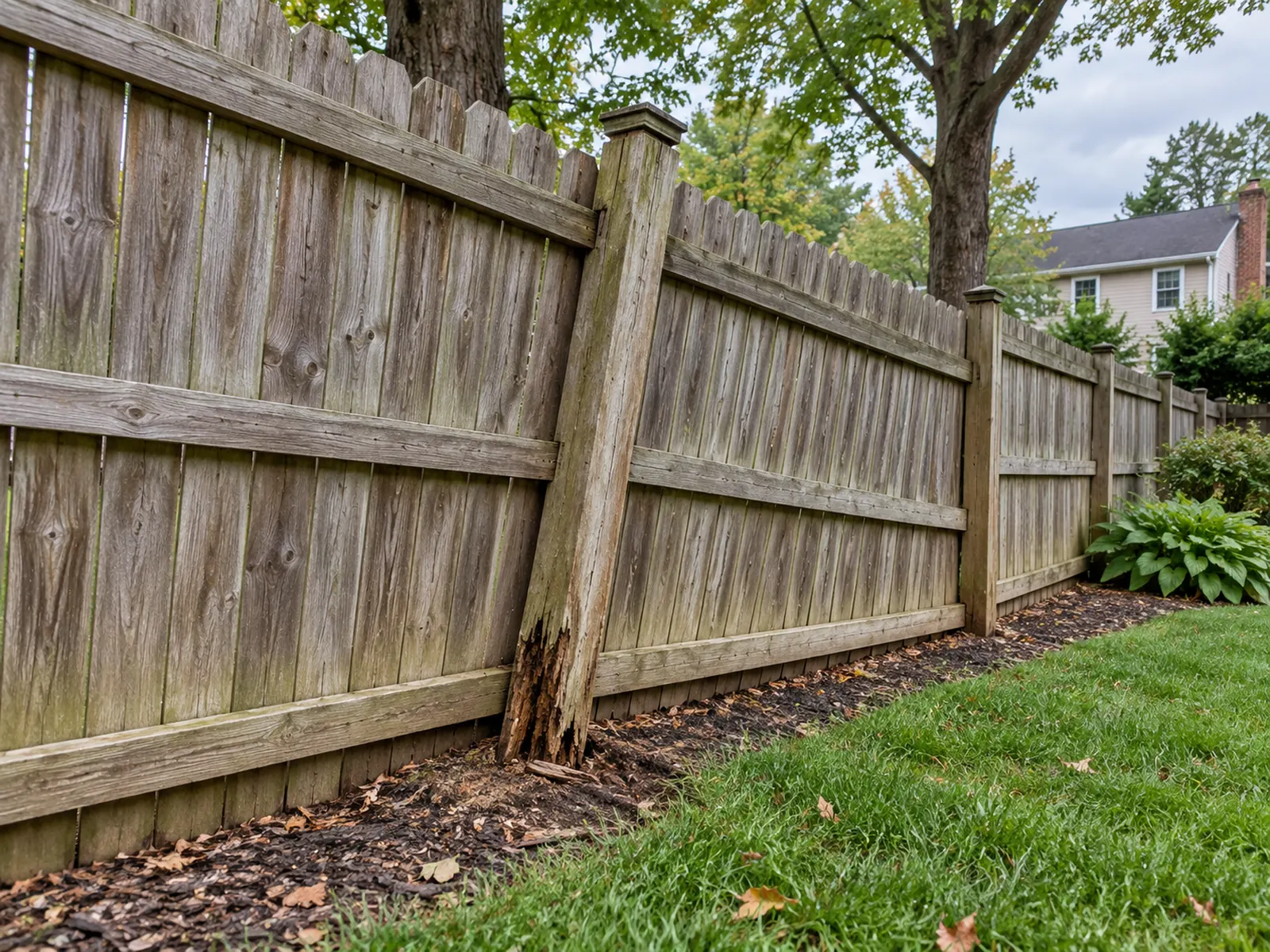
Fence Replacement
When a fence is past saving, we tear it out, haul it off, and set a new one on the same line, or a better one.
Fence Replacement details
Fence Installation
Wood privacy, white vinyl, black aluminum, and galvanized chain link, laid out right and set deep with drainage under every post.
Fence Installation details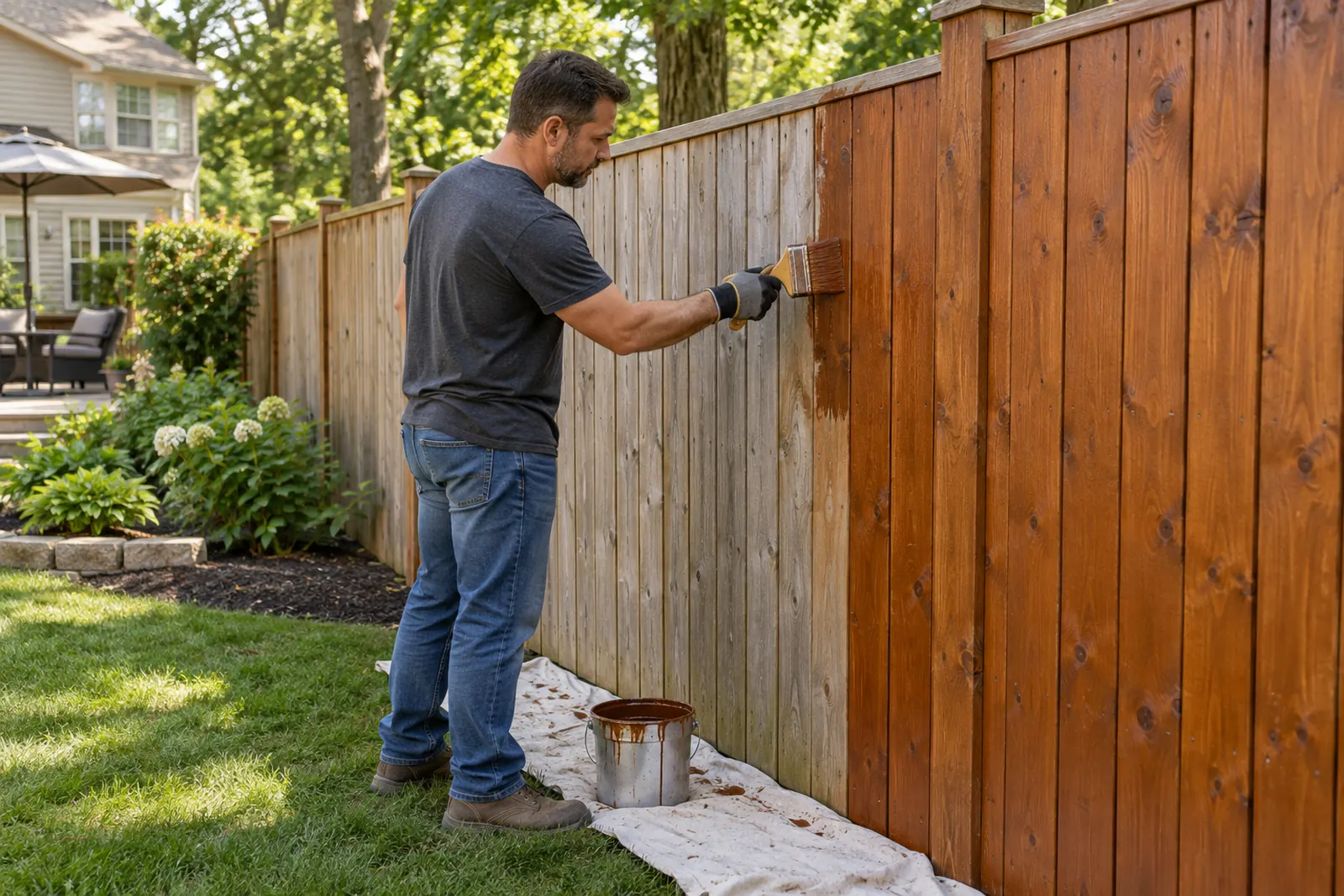
Fence Staining
Cleaning, brightening, and penetrating stain that stops graying and mildew and blends repaired boards into the old fence.
Fence Staining detailsGate Repair questions, answered
Why does my gate drag on the ground?
A gate drags on the ground because its latch side has dropped, and that happens when the frame racks out of square, the hinges loosen or bend, or the hinge post leans toward the opening. Often more than one is at work. Frames built without a brace, or with the brace running the wrong way, slowly turn into a parallelogram. Hinges too light for the gate pull their screws out of weathered wood. Hinge posts rot at grade or get worked loose by frost in the wet clay soil around Crofton and Gambrills. We check the post first, because if the post moves, no gate adjustment lasts. Then we square, brace or rehang the gate as needed.
My gate latch doesn't line up anymore. Can't you just move the latch?
Moving a gate latch that no longer lines up is usually the wrong fix, because the latch did not move: the gate or one of its posts did. When a latch that used to catch starts missing, the gate has sagged, the hinge post has leaned, or the latch post has pulled away from the opening. Moving the latch down to meet a sagging gate hides the problem for a few months while the gate keeps dropping, and you end up with extra screw holes in the post. We find what moved and correct it, then set the latch where it belongs so the gate closes and catches without being lifted or shoved.
Do anti-sag gate kits actually work?
Anti-sag gate kits work on a gate with a solid frame that has drifted out of square, as long as the kit is installed in the right direction. The kit is a steel cable with a turnbuckle that runs from the top corner on the hinge side to the bottom corner on the latch side. Because the cable works in tension, tightening the turnbuckle lifts the drooping corner and holds it there. A kit will not save a gate whose rails are rotted or whose joints are falling apart, and it does nothing for a hinge post that is leaning in the ground. On those gates we replace the post or rebuild the frame with a diagonal brace.
Which way should the diagonal brace go on a wood gate?
A diagonal brace on a wood gate should run from the bottom corner on the hinge side up to the top corner on the latch side. A wood brace works in compression, so set that way, the weight of the latch side presses down along the brace into the bottom hinge, where the post can carry it. A brace running the other way, from the top hinge corner down to the bottom latch corner, just hangs there and does very little to stop sag. We find that backwards brace on a lot of gates around Crofton and Gambrills. A steel cable kit is the opposite, because a cable works in tension, so it runs from the top hinge side to the bottom latch side.
Can you fix my pool gate so it closes and latches on its own?
Yes, we can fix a pool gate so it swings shut and latches on its own from any open position, which is how a pool gate should behave every time. When a pool gate stops short, bounces off the latch, or has to be pulled shut, the cause is usually worn or weak self-closing hinges, a sagging gate that binds before it reaches the latch, or a latch that has shifted out of line. We correct the sag, set the hinge tension, and align the self-latching hardware, which mounts high out of small children's reach. We confirm the requirements for your property before changing hardware on a pool enclosure, then test the swing from several open positions.
My double driveway gates don't meet in the middle anymore. What's wrong?
Double driveway gates stop meeting in the middle when one post leans, one leaf sags, or the drop rod no longer lands in its receiver. Each leaf hangs from its own post, so movement on either side throws the pair out of line: the halves end up at different heights and the center latch will not catch. The drop rod is the vertical rod on one leaf that drops into the ground or a sleeve to hold it still. If that hole has filled with dirt or gravel, or the leaf has dropped so the rod misses, the whole gate fights you. We level both leaves, fix moving posts, clear or reset the receiver, and realign the center latch.
Can you repair vinyl and aluminum gates too?
Yes, we repair vinyl, black aluminum and chain link gates as well as wood gates. Vinyl gates have an aluminum frame inside the vinyl, and most vinyl gate hinges and latches are adjustable. When a vinyl gate sags, the usual causes are loose hinge screws in the post, a hinge post that shifted in the ground, or an adjustment that drifted. We tighten or replace the hardware, reset a moved post, and add a metal insert inside a flexing vinyl post to stiffen it. Aluminum gates are lighter, but their hinges wear and brackets loosen over time, so we adjust or replace those and re-level the posts until the gate swings true.
Is it better to repair my old gate or build a new one?
Repairing an old gate makes sense when the frame and boards are sound and the posts are solid; building a new gate makes sense when the bottom rail and picket ends are rotted or the frame joints have failed. A sound gate gets squared up, braced or fitted with an anti-sag kit, moved to heavier hinges, and given a reset latch. A gate patched so many times it is more screws than wood is past that point. We can build a new gate to match your fence style, with the brace running the correct direction and hardware sized for its weight. Either way, we check the gate posts, because a new gate on a rotted post sags just like the old one.
Why does my wood gate stick in summer but close fine in winter?
A wood gate that sticks in summer and closes fine in winter is swelling with Maryland's humidity, and the gap it needs to swing freely is too tight for that seasonal movement. Wood boards and frames take on moisture in humid, rainy months and expand, then shrink again in drier cold weather. If the gate was hung with a tight gap at the latch side or bottom, or has sagged a little, the swollen gate rubs the latch post or the ground. We square the gate, leave a working gap on the latch side and under the bottom rail, and recommend staining or sealing the gate so it absorbs less water and moves less between seasons.
My gate swings open by itself. How do I fix that?
A gate that swings open by itself is usually hanging from a hinge post that is out of plumb, or its latch is no longer catching, so gravity or wind pulls it off the stop. If the hinge post leans so the top tips toward the open direction, the gate rolls open the way a door does in a tilted frame. If the gate has sagged, the latch bar can ride under the catch instead of dropping into it. We check the hinge post for plumb and firmness at grade, square and rehang the gate, and reset the latch so the bar drops fully into the catch. A gate stop or a self-closing hinge keeps it shut in wind.
The Fence Repair Guys of Crofton
2390 Brandermill Blvd, Gambrills, MD 21054 · (240) 712-4826. Open in Google Maps →
Fence leaning, broken, or down? Let’s get it standing straight.
Call or send a request and we’ll set up a time to look at the fence in person, figure out what actually failed, and tell you straight whether it needs a repair, a rebuild of one section, or a full replacement.
(240) 712-4826 The Fence Repair Guys of Crofton2390 Brandermill Blvd, Gambrills, MD 21054
Serving Crofton, Gambrills, and a 20-mile radius